IPEN written evidence submitted to UK House of Commons Committee published 

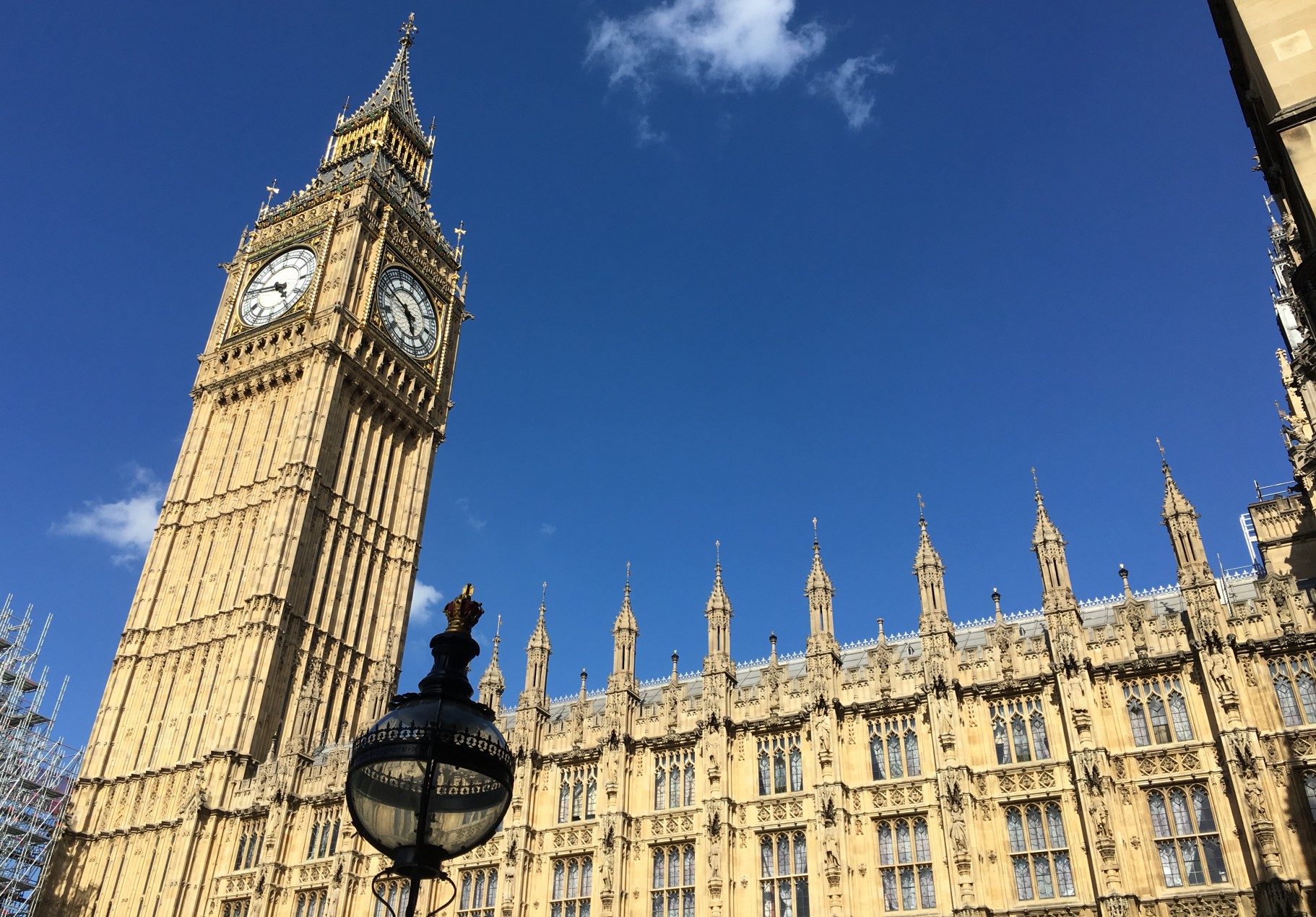
UK Parliament building with Big Ben to the left

Written evidence submitted on behalf of the International Parliament Engagement Network (IPEN) to the Modernisation Committee of the UK House of Commons has been published online.

This cross-party committee of MPs was set up to consider reforms to House of Commons procedures, standards and working practices.

The committee gathered views from the wider parliamentary community and external stakeholders, resulting in hundreds of individuals submitting their views to the committee. Ideas were invited under its three strategic aims of driving up standards, improving culture and working practices, and reforming procedures to make the House of Commons more effective.

The committee heard from more than 700 people and the written evidence submissions received from organisations – including from IPEN – have now been published online. A summary of the views submitted can be read in the Committee’s memorandum on its next steps.

IPEN members’ contribution

We invited our members to contribute views to shape IPEN’s submission of written evidence to the Committee, through a call in our November 2024 newsletter.

The submission was collated on behalf of members by IPEN’s Chair and Deputy Chairs: Professor Cristina Leston-Bandeira (University of Leeds), Dr Elise Uberoi  (UK House of Commons Library) and Dr Sarah Moulds (University of South Australia).

IPEN’s evidence focused on public engagement and drew on our members’ extensive knowledge and experience of what makes public engagement work. The key points were that:

  • the Committee should make public engagement one of its priorities to drive improvement in the strategic coordination and delivery of relevant activities across the House; and
  • better public engagement can help to build people’s trust in their representatives, and can contribute to better scrutiny. This can in turn improve legislative standards and avoid costly unintended consequences that can flow from enacting legislation that has not been carefully considered from a range of different perspectives.

Professor Cristina Leston-Bandeira said:

“The submission of evidence by the International Parliament Engagement Network to the UK House of Commons Modernisation Committee demonstrates the important role that IPEN now performs.

“IPEN is a critical network with a significant voice in highlighting the importance of public engagement for parliaments today. At a time of low trust in politics, parliaments need to take public engagement seriously.

“With over 500 members from over 80 countries, IPEN has played a transformational role in sharing knowledge and practice in this area and in underscoring the importance of public engagement for parliaments across the world.

“We look forward to see how the Modernisation Committee takes on board the topic of public engagement in their proposals for reforms to House of Commons procedures, standards and working practices”.

Read IPEN’s written evidence submitted to the Modernisation Committee of the UK House of Commons.

Image

UK Parliament, London. Photo by Cristina Leston-Bandeira.

Article published: 28 March 2025

Speaker in the Schools – parliamentary education and outreach in British Columbia

Cartoon animals holding a sign with the words Speaker in the Schools Program.

19 March 2025

Speaker: Karen Aitken, Director of the Parliamentary Education Office, Legislative Assembly of British Columbia, Canada

Chair: Sally Coyne, Head of Public Engagement Services Office in the Scottish Parliament and IPEN Executive Team

Details: This IPEN seminar will focus on British Columbia’s parliamentary outreach programming.

As the outward facing office at the Legislative Assembly, the Parliamentary Education Office’s mandate is to provide informative and educational tools to the public to promote a better understanding of the parliamentary system in British Columbia. The intention is to facilitate the public’s understanding of the role of the Legislative Assembly and its Members.

Karen Aitken will share details of Speaker in the Schools, an outreach programme which travels to communities and classrooms with the Speaker of the Legislative Assembly. Through fun and engaging sessions, the Speaker shares his first-hand knowledge with students and leads them in a model parliament exercise to explore how a bill becomes a law. Students are provided with costumes and role play the various positions within the House to conduct a bill debate.

Karen will also outline other outreach initiatives, which include a variety of in person and online programs as well as educational resources to meet the various learning needs of our diverse audiences.

This will be followed by a Q&A and further discussion on ideas for further parliamentary engagement ideas or strategies suggested from participants.

Image: Legislative Assembly Speaker in the Schools program image. Courtesy of the Legislative Assembly of British Columbia, Canada.

New member resources share good practice through case studies and quick guides

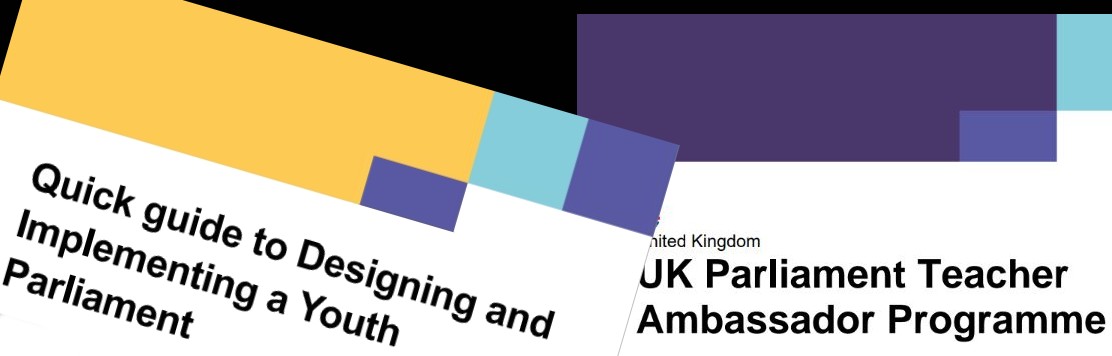
Top of two documents on a dark background.

One of the many benefits of membership of the International Parliament Engagement Network (IPEN) is the sharing of practice, experience and research between members within our MS Teams space. This happens in all manner of ways, such as through seminars, showcase events, conversational posts, the sharing of initiatives, reports and more.

IPEN has created a range of resources over the past few years, some of which are available here on our website and others in MS Teams. We’re now looking to extend our portfolio of resources through a new series of case studies (examples of good practice for a specific activity) and ‘quick guides’ (short guides to specific engagement activities).

Co-created with members

These will be co-created with and for our members and hosted in our MS Teams space. The key purpose is to help IPEN members share their wisdom, and equip each other with short, practical guidance for improving public engagement practice.

We’ll be sharing the first of these with members in the coming weeks. The will include two case studies on the theme of youth parliaments, written by Emma Brewis ( Postgraduate Researcher at the University of Leeds) alongside IPEN members from the Senedd Cymru (Welsh Parliament) and the Parliament of Indonesia. Another showcases the Teacher Ambassador Programme at the UK House of Commons.

In addition to the case studies, the first of our ‘quick guides’ will share insights and tips on setting up and running youth parliaments.

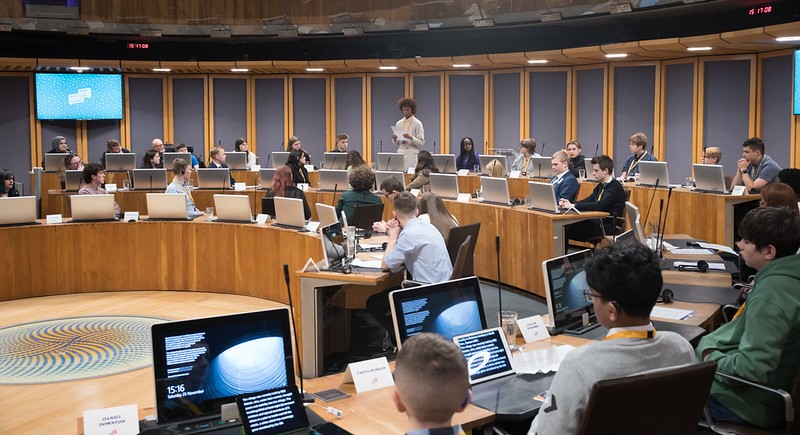
Welsh Youth Parliament Residential in the Chamber

Share your practice

We are keen to develop further case studies and quick guides on the various aspects of the amazing work that our members do to engage the public with their parliaments.

Emma Brewis and other members of the IPEN Executive team have created a template for quick guides and case studies. Now we need you to fill in the blanks! This is not about writing an academic paper: it’s all about creating something accessible, shareable and practical.

Quick guides

Quick guides could be on engagement activities (such as online petitions or supporting witnesses to engage with parliamentary committees), or they could cover education or outreach programs targeting specific groups, or address emerging issues (such as the use of AI and public engagement, or the parliament as a culture institution).

Case studies

Case studies might focus on specific experiences that you have been part of – such as an effective (or challenging) committee inquiry that saw elected members travel to rural or regional areas, or the use of online gaming to engage with young people, or the connection between post legislative scrutiny and engagement.

They could also focus on citizen-led engagement, or specific tools or strategies that you have used to measure or evaluate engagement activities. They could address or specific skills you have developed within your engagement teams, such as excellent teaching and school resources.

Find out more and get in touch

If you would like to share your work as a case study, or are interested in working with us to create more quick guides, then please get in touch with us at [email protected] or email Dr Sarah Moulds (University of South Australia and Deputy Chair of IPEN).

Find out more about IPEN including how to apply to become a member.

Photo: Welsh Youth Parliament Residential in the Chamber, 25 November 2023 / Senedd Ieuenctid Cymru, Gyfarfod Preswyl yn y Siambr, 25 Tachwedd 2023. Photo: Senedd Cymru / Welsh Parliament. Source: flickr. Attribution: CC BY 2.0.

Embedding deliberation in political processes – lessons from Ireland

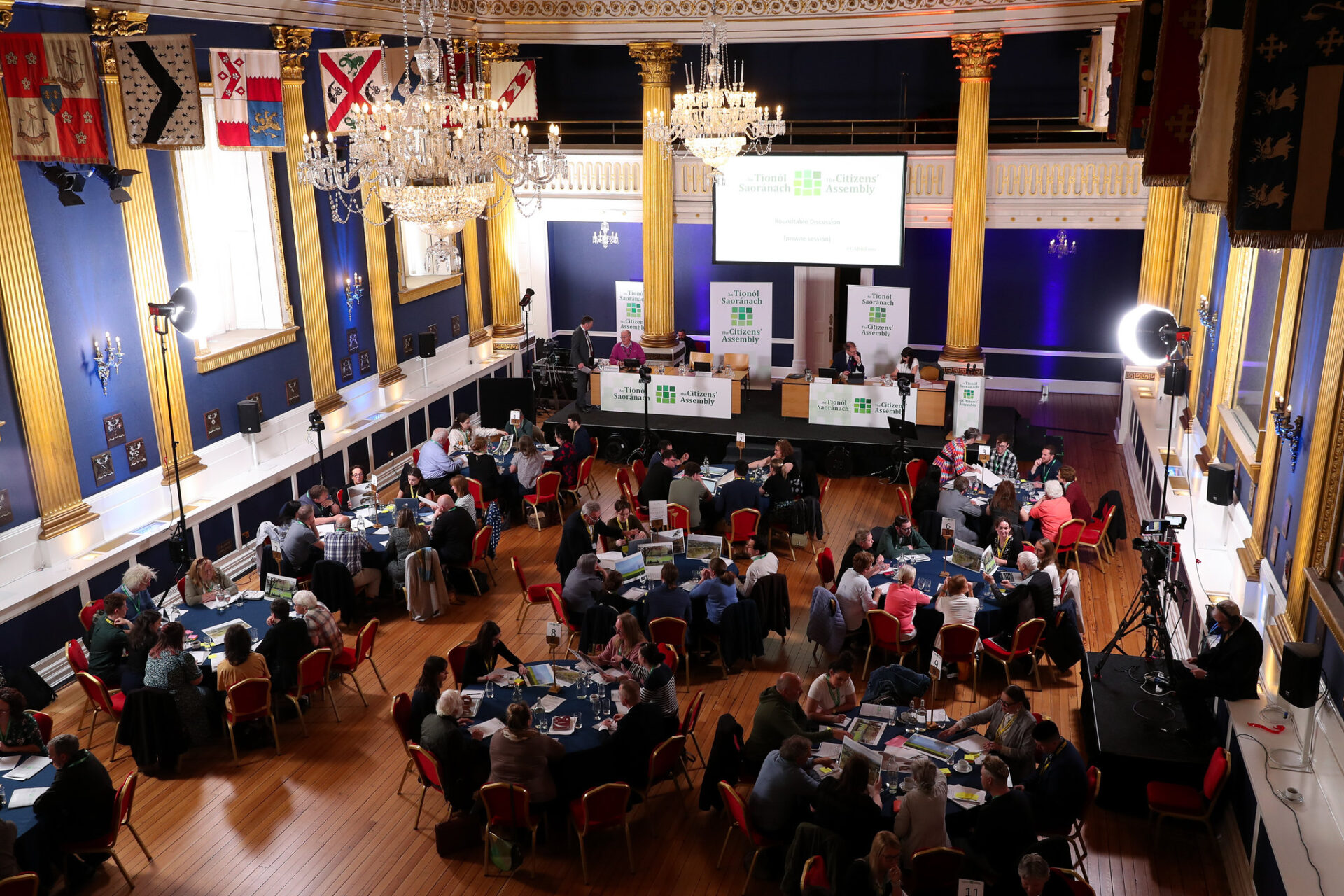
Meeting of the Citizens' Assembly on Biodiversity Loss, Dublin Castle.

19 February 2025

Speakers: Darren Lawlor (Principal Clerk [Head of Policy Advisory Coordination and Development], Committees’ Secretariat, Houses of the Oireachtas); Charlotte Cousins (Senior Parliamentary Researcher [Parliamentary Affairs], Oireachtas Library & Research Service, Houses of the Oireachtas); Cathal O’Regan (Principal Officer, Department of the Taoiseach).

Chair: Chris Shaw (Clerk of the Home Affairs Committee, UK House of Commons, and IPEN Executive Team)

This IPEN seminar will focus on processes for citizens’ assemblies in Ireland through the lenses of the Houses of the Oireachtas (Irish Parliament) and the Department of the Taoiseach (Prime Minister).

Darren Lawlor and Charlotte Cousins will give the perspective from the Houses of the Oireachtas, detailing the role of the Oireachtas in establishing the Citizens’ Assemblies. They will share how the recommendations were considered and reported on through Committees, and will provide insights on the engagement of parliamentarians and administration of these Committees.

Cathal O’Regan will provide a view from the Taoiseach’s department. He will cover the benefits the Government sees in citizens’ assemblies, including how views have evolved with experience and with different administrations. The choice of subject will be considered: how the decision is made and agreed with Parliament. Cathal will also cover the impact of different citizens’ assemblies on policy, and the wider impact that the use of these participatory methods have had on public engagement and Irish politics.

This will be followed by a Q&A and further discussion on the extent to which these processes are now permanently embedded in Irish politics.

Image: Meeting of the Citizens’ Assembly on Biodiversity Loss which took place in St. Patrick’s Hall in Dublin Castle in 2022.

New community of practice for Australia, New Zealand and the Pacific Islands meets to discuss parliamentary public engagement

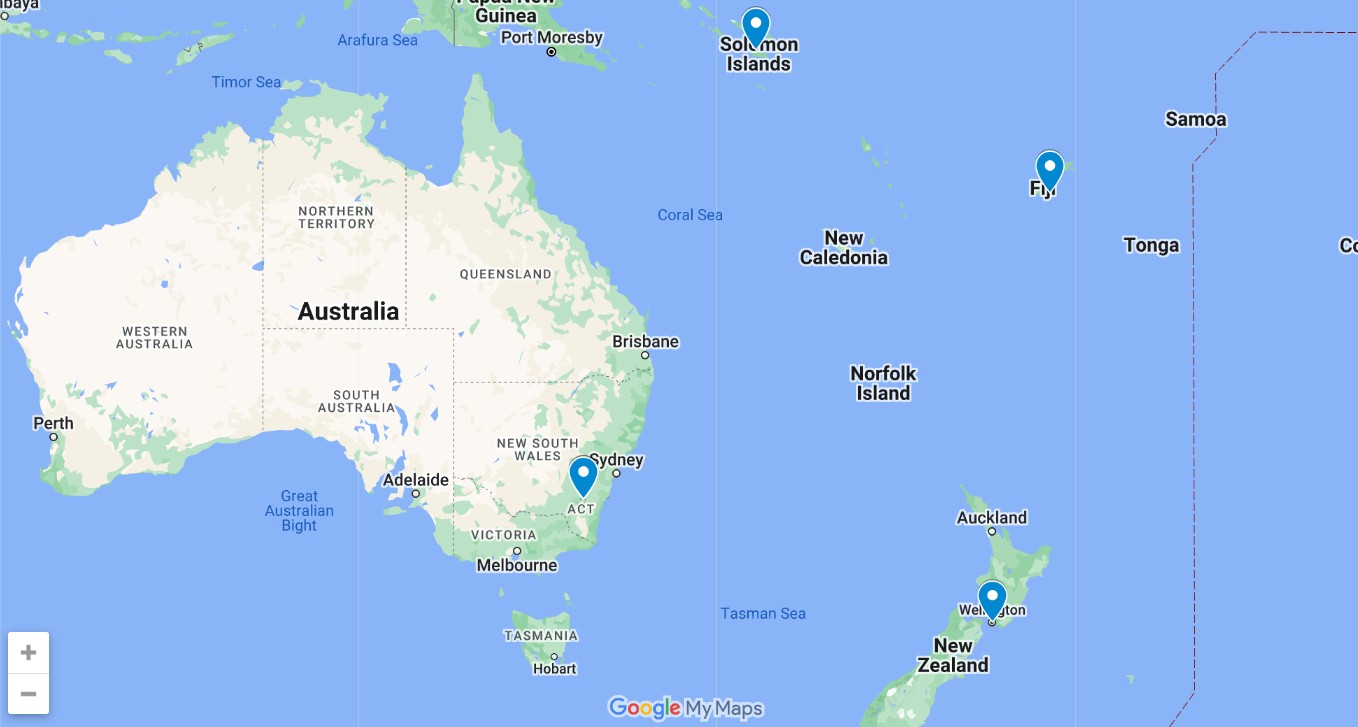
Map showing Australia, New Zealand and the Pacific Islands.

A new community of practice for practitioners and academics working directly with public engagement with parliaments in Australia, New Zealand and the Pacific Islands has been established by International Parliament Engagement Network (IPEN) members.

Initiated in early 2024, the group has grown to over 30 members and includes parliamentary staff, academics and third sector practitioners as its members.

The community of practice was set up by IPEN Executive Team members Sarah Moulds (Associate Professor in Law, University of South Australia) and Caroline Wallis (the former Education Lead in the Parliamentary Engagement Team, New Zealand Parliament). It formally launched at an online gathering in April 2024.

The overarching aim for the group is to build a thriving, supportive community of Australian-New Zealand and Pacific colleagues who can identify examples of best practice in facilitating, designing or evaluating engagement, education or outreach activities. Key to this is working in close collaboration with IPEN.

The community of practice met for a second time on 26 July 2024, to dig deeper into engagement research and discuss how these important factors can work in practice.

Thirty-five people attended from a range of jurisdictions across Australia and New Zealand, with new members having joined since the first session earlier in the year.

The session began with a discussion on research undertaken by Professor Cristina Leston-Bandeira (University of Leeds and Chair of IPEN) around public engagement with parliaments.

Dr Sarah Moulds then shared a new toolkit she has developed, aimed at those involved in designing, implementing or evaluating youth engagement strategies within parliamentary settings.

Informed by the insights and experiences gained from Sarah’s Churchill Fellowship, IPEN’s Public Engagement Toolkit and the significant contribution to scholarship in this space made by Professor Cristina Leston-Bandeira, this new toolkit highlights ten key factors which can influence effective public engagement initiatives.

‘Is this research workable?’

A provocation put out to the group – ‘Is this research workable?’ – was addressed by Sasha Greig (Manager, Visitor Experience at the New Zealand Parliament) who has a great deal of experience in working with how to engage staff to then engage with the public in a parliamentary setting.

Key takeaways from Sasha were that:

  • It’s amazing to have a framework against which to assess ideas, especially in terms of business planning or any sort of future prioritisation.
  • Working with staff working at the coalface often highlights disconnects between the theory and the reality. One that resonated in the Visitor Experience context is the factor which talks of ‘listening not broadcasting’. This can be a difficult line to walk when encouraging meaningful discussions whilst also reminding people of rules and things that can’t happen because of the parliamentary space (for example, security requirements).
  • A number of other aspects of this work discussed concerned feasibility. For example, there can be influence on initiatives dependent on funding (such as translation services, audio and visual elements), and funding allocation made by senior executive leaders who may not have the expertise in what makes good engagement or information on what good engagement practice is.

Ending on a positive note, Sasha shared that parliamentary engagement is not a thing to be achieved, it is a consideration and a process that we need to bring into everything we do.

Citizens Assembly graphic

Iain Walker from newDemocracy Foundation shared resources and his thoughts on citizens assemblies, including innovations in the Brussels Parliament and deliberative committees.

The provocation and talks generated a great deal of further thought and discussion within the group. Some of the key things covered were around the use of a recess for front loading (for example, delving into research) for when back in parliamentary sessions and the need to include differing perspectives when looking at engagement initiatives. It was also acknowledged that members of the public and staff are all at different levels of the engagement journey at any one time.

Community of practice co-chair Caroline Wallis said:

“It has been rewarding to see the uptake across many parliamentary jurisdictions in Australasia. I hope we can continue to use this forum for rich discussions that result in meaningful work and outcomes. We also welcome any new members who wish to join us!”

The community of practice met again in early December when the Parliament of New South Wales spoke about their work throughout the year and the wider group discussed ideas for other sessions for this fledgling community of practice in 2025. Watch this space for more details!

More information

If you would like more information about the Australian/New Zealand/Pacific parliamentary engagement community of practice, please get in touch with Sarah Moulds, Sasha Greig or Caroline Wallis.

IPEN members can find out more in MS Teams.

Images

1: Map showing Australia, New Zealand and Pacific Islands. Source: Google Maps.
2: Introduction slide from July community of practice session.
3: Slide showing overview of research based 10 factors of effective public engagement, from July community of practice session.
4: Citizens Assembly graphic. Source: RNZ (Radio New Zealand).
5: Examples of youth engagement with parliamentary processes: protests and submitting to a committee. Source New Zealand Parliament.

Article published: 20.12.24

IPEN appoints international Advisory Group to support creation of resources

Map of the world

The International Parliament Engagement Network (IPEN) has appointed an international Advisory Group to support an ongoing project to develop resources that will support parliaments to design, deliver and evaluate public engagement activities.

Supported by INTER PARES (a parliamentary capacity-building programme jointly delivered by the European Union and International Institute for Democracy and Electoral Assistance), the project involves working with parliaments and public engagement experts to co-create a series of eight guides on citizen engagement.

The guides will focus on a range of public engagement topics to help build parliaments’ capacity to engage members of the public in their work.

Initial topics for the resources include principles of parliamentary public engagement, youth engagement, and petitions and citizens’ legislative initiatives.

Other themes will cover education programmes, committee consultations, deliberative approaches, parliament as a place and space, and engaging underrepresented groups.

Cartoon image of a crowd of people and blue sky

The project is being conducted by Juliet Ollard, Senior Research and Engagement Officer for IPEN, based at the University of Leeds, under the leadership of Professor Cristina Leston-Bandeira and in partnership with INTER PARES.

Juliet Ollard said:

“Since the project is aiming to support parliaments across the world through these guides, it is important that the project includes collaboration with colleagues working in different parts of the world and a range of engagement traditions. We have created an Advisory Group of parliamentary officials and other experts from around the world to provide feedback, input and challenge as we develop the guides.”

The project is drawing on the experience and expertise of parliamentary officials and researchers in other ways, too, through interviews, workshops and pilot activities.

In October 2024 the team held two international workshops to develop a set of Principles for Parliamentary Public Engagement which will be the focus of one of the first guides to be produced.

The Advisory Group is made up of parliamentary staff, academic and third sector representatives from countries such as Argentina, Belgium, Brazil, Canada, Nigeria, Indonesia and the UK. We are also drawing on the experience of small parliaments with representation from the Solomon Islands and the Isle of Man, as well as state parliaments in Australia. The group also includes a representative from our Public Engagement Hub partner the Inter-Parliamentary Union (IPU).

Ruth Donnelly from the Office of the Clerk at Tynwald, Isle of Man, said:

“I am delighted to have been asked to be part of the advisory group for this project.

“Working for a small parliament, I am looking forward to being able to share the insight of a small jurisdiction and make a positive contribution to parliaments across the world. Small or large, we all have our challenges engaging with the public more effectively and working together is a positive way to improve democratic participation.”

Oke Epia, Executive Director, OrderPaper Nigeria, said:

“I am delighted to be part of the Advisory Group for this very important project. At a time of doubtful, if not decreasing, confidence in democracy, developing resources to foster public engagement with parliament becomes critical. As the bedrock of representative democracy, there is no better time than now to rethink, relearn, and possibly unlearn traditional ways of citizen engagement with parliament. I am happy to share thoughts from the African perspective to enrich the group’s contributions to the project.”

There is no better time than now to rethink, relearn, and possibly unlearn traditional ways of citizen engagement with parliament.

Jonathan Murphy, Head of Programme, INTER PARES, said:

“The Guides on Citizen Engagement will offer parliaments practical tools to support stronger and more meaningful public participation in decision-making. By reflecting on public engagement principles and the impact of traditional and innovative approaches to citizen participation, they will contribute to discussions and understanding on the representative role of parliaments.

“The role of the Advisory Group will be indispensable through the development process in ensuring that the guides are informed by diverse experiences, are practical, and impactful. The expert review and recommendations will support the creation of resources that truly bridge the gap between citizens and parliaments.”

The work on the resources is ongoing and the finished guides are due to be published in the spring or summer of 2025.

Juliet Ollard said:

“We still welcome input from parliaments while we continue to work on the resources.

“If you work directly in the area of public engagement with parliament or have academic expertise in this area – and would like to take part in an interview to inform the project – please let us know by emailing us at [email protected].”

More information

The Advisory Group includes:

Natalie Badcock, Community Education & Engagement Manager, Parliament of South Australia

Ruth Donnelly, Head of Corporate and Engagement Services, Office of the Clerk of Tynwald, Isle of Man

Oke Epia, Executive Director, OrderPaper, Nigeria

Kit Frost, Senior Director of Public Education Programs, Library of Parliament, Canada

Lumina Mentari, Open Parliament expert, Indonesia

Alex Seama, Chief Parliamentary Civic Education Officer, National Parliament of the Solomon Islands

Professor Diana Stirbu, Professor of Public Policy and Governance, London Metropolitan University

Alistair Stoddart, Senior Participation Specialist, Participation and Communities Team, Scottish Parliament

Felicitas Torrecilla, Research Coordinator, Directorio Legislativo, Argentina

Dr Andy Williamson, Centre for Innovation in Parliament, Inter-Parliamentary Union

Images

1. World map. Image by Clker-Free-Vector-Images from Pixabay
2. Crowd. Image by Gerd Altmann from Pixabay
3. Speech bubbles. Image by Silvia Gaudenzi from Pixabay

What AI may mean for public engagement with parliaments

22 January 2025

The use of AI by parliaments has become a key focus of recent months. In this  Public Engagement Hub seminar we will undertake an open exploration of what AI may mean for public engagement with parliaments. 

The first part of the seminar will be structured around an ‘In Conversation’ format which will discuss and reflect on why it is important to consider AI from a public engagement perspective. The panel will consider the role that AI may potentially play in enhancing public engagement with parliaments. We will identify opportunities arising from this, as well as risks and how these can be mitigated.

The panel will seek to highlight examples of parliaments using AI for outreach and public engagement and discuss what we can learn from these. The panel will aim to discuss the role of AI as a summative tool (translating, transcribing, summarising volumes of data/evidence), but also as an inductive tool to stimulate ideas and enable deeper forms of engagement. 

The second part of the seminar will open up for Q&A and the sharing of experiences and queries on the topic.

Panelists include: Franklin De Vrieze (Head of Practice Accountability, Westminster Foundation for Democracy). Other panelists to be announced.

Chair: Professor Cristina Leston-Bandeira, University of Leeds and Chair of IPEN

This event will take place on Zoom and is open to anyone with an interest in public engagement with parliaments.

The seminar will be presented in English. Translation will be available from/to French.

Find out more and register here.

About the Public Engagement Hub seminar series

This seminar is jointly organised by the Inter-Parliamentary Union (IPU) and the International Parliament Engagement Network (IPEN). The event is part of a series of webinars hosted by the Public Engagement Hub.

Image by Gerd Altmann from Pixabay

Developments, Innovations and Challenges in Public Engagement in the Mexican Congress

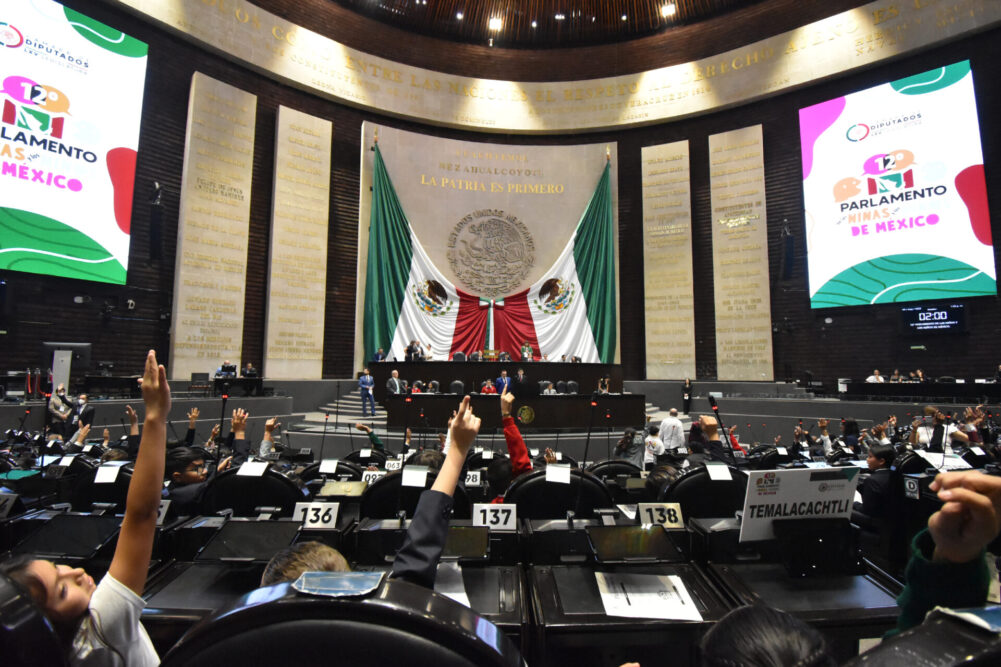
The children's parliament in Mexico

20 November 2024

Jointly organised by IPEN and the Inter-Parliamentary Union (IPU), this Public Engagement Hub seminar will explore how the Mexican Parliament engages with citizens.

Speaker: Dr Khemvirg Puente (Politics Professor, National Autonomous University of Mexico and Former Chairperson of the Advisory Council of the Mexican Congressional TV Network)

Chair: Dr Elise Uberoi (Head of Social Policy Section, House of Commons Library, UK Parliament and Deputy Chair of IPEN)

Dr Khemvirg Puente will outline a range of public engagement initiatives, including the Legislative Museum of the Chamber of Deputies (Museo Legislativo), the Parliamentary TV and Radio Channel (Canal del Congreso), the Citizen website (Portal Ciudadano), the Open Parliament Agenda, the Children’s Parliament, the Youth Parliament and the Women’s Parliament.

The speaker will also reflect on the effectiveness of these tools in engaging citizens and enhancing trust.

This event will take place on Zoom and is open to anyone with an interest in public engagement with parliaments.

The seminar will be presented in English. Translation will be available from/to Spanish (tbc) and French.

Find out more and register here.

About the Public Engagement Hub seminar series

This seminar is jointly organised by the Inter-Parliamentary Union (IPU) and the International Parliament Engagement Network (IPEN). The event is part of a series of webinars hosted by the Public Engagement Hub.

Image: The Children’s Parliament, Mexico. Photo © Cámara de Diputados, Coordinación de Comunicación Social.

Critical conversation – petitions

Speech bubbles

13 November 2024

Taking place at two different times across different time zones, we are excited to announce the first in a new series of IPEN ‘critical conversations’ on the theme of petitions.

Public engagement with parliament is not always plain sailing and – amidst the great successes it brings with it – can often involve challenges that at times can seem frustrating or difficult to resolve.

This new series of ‘critical conversations’ aims to create a safe space for our IPEN members to come together to critically discuss the issues they face around their practice or research and the methods they use (or have considered using) to engage citizens with parliament.

For our first event, we will be taking petitions and other forms of citizens’ legislative initiatives as a broad theme. If your work or research is relevant to this topic, please join us to share and critically reflect on your experiences and challenges around this form of public engagement.

Following an overview from the facilitators, each conversation will be structured around a series of questions and provocations relevant to the theme, which may also involve small group discussion. In a change to our ‘usual’ seminars, there will be no presentations – IPEN members just need to turn up and join in the conversation.

More information

The sessions will be facilitated by Cristina Leston-Bandeira (Professor of Politics, University of Leeds and Chair of IPEN) and Sarah Moulds (Associate Professor in Law, University of South Australia and Deputy Chair of IPEN)

This online seminar will take place MS Teams space and is open to all members of the International Parliament Engagement Network.

Find out more about the network.

Image by S K from Pixabay.

Citizens Assemblies in Germany – findings from the Hallo Bundestag project

30 October 2024

Speakers: Juliane Baruck (Project Lead Hallo Bundestag, Germany); Paul Naudascher (Team Member and Head of Science & Evaluation, Hallo Bundestag, Germany)

Chair: Chris Shaw (Clerk of the Home Affairs Committee, UK House of Commons, and IPEN Executive Team)

This IPEN event is a follow up to the seminar we held back in 2023 on the Hallo Bundestag initiative.

Juliane Baruck and Paul Naudascher will report back on the findings from this deliberative democracy methods initiative that was used in Germany in 2023/4 to engage citizens with the policy making process, through a focus on Members of Parliament.

They will talk about their operative learnings from the project and will also dive into the findings from the evaluation report which has just been published.

This online seminar will take place in MS Teams and is open to all members of the International Parliament Engagement Network.

Find out more about the network.

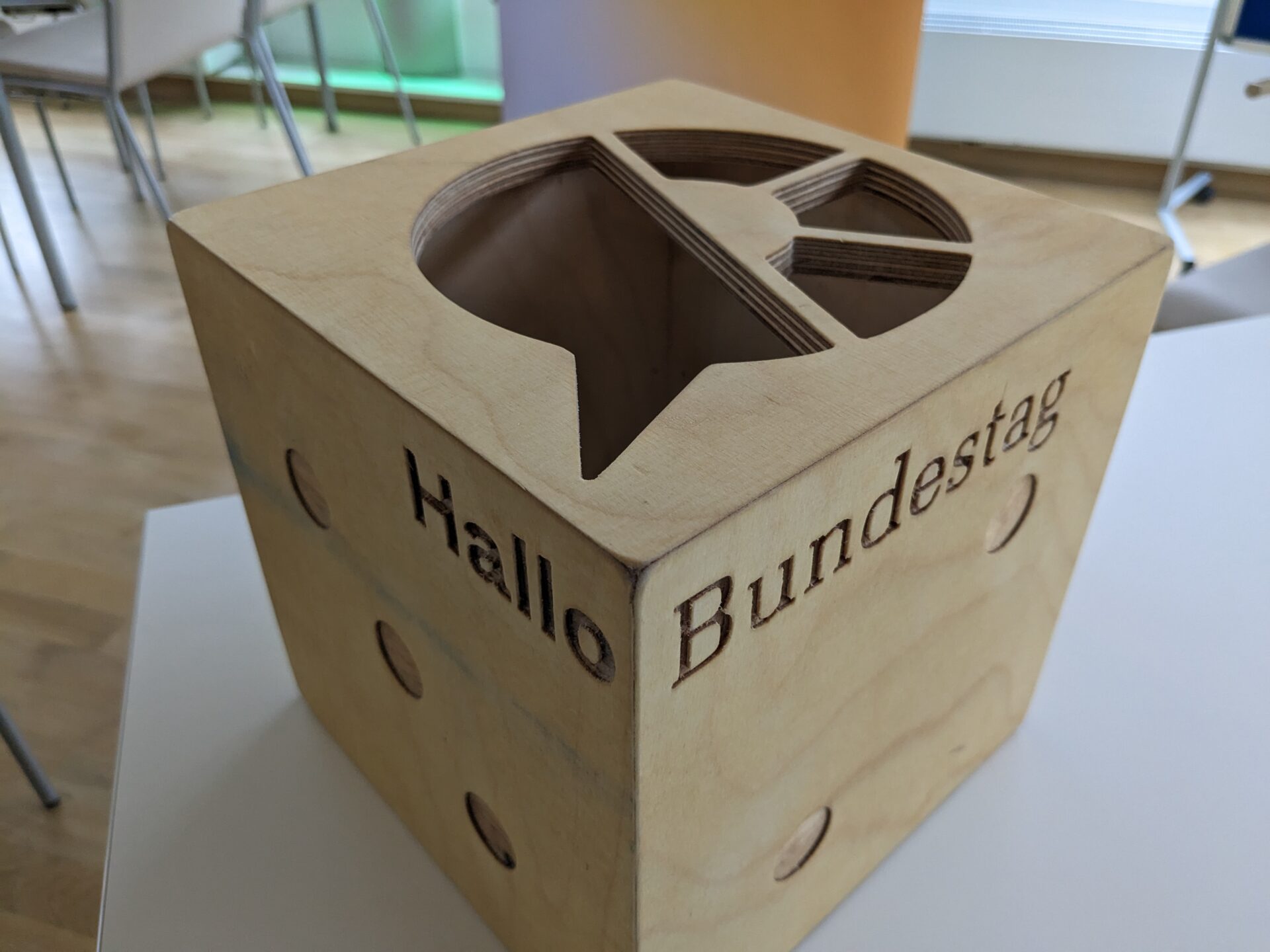
Image: Among other useful gadgets, the Hallo Bundestag team handcrafted a cube for analogue lottery processes during each citizen assembly. Photo © Hallo Bundestag.